Insider packing tips for Brent removals Alperton
If you are planning a move in Alperton, the packing stage can make the whole day feel either calm and controlled or, let's face it, like a small domestic earthquake. The difference is rarely luck. It usually comes down to preparation, the order you pack in, and whether you know the little tricks that experienced movers use behind the scenes. These insider packing tips for Brent removals Alperton are designed to help you save time, protect your belongings, and avoid the usual moving-day panic.
Think of this as a practical guide for people who want to do packing properly the first time. You will find room-by-room advice, sensible shortcuts, local moving considerations, and a few honest warnings about the mistakes that cause delays. If you are organising a full house move or a smaller move with a man and van, the same principle applies: pack smarter, label clearly, and keep the essentials close.
Quick expert summary: the best packing strategy is not about cramming more into boxes. It is about reducing breakages, making loading faster, and helping your removals team work in a tidy, predictable rhythm. That is where the real savings show up.
Table of Contents
- Why Insider packing tips for Brent removals Alperton Matters
- How Insider packing tips for Brent removals Alperton Works
- Key Benefits and Practical Advantages
- Who This Is For and When It Makes Sense
- Step-by-Step Guidance
- Expert Tips for Better Results
- Common Mistakes to Avoid
- Tools, Resources and Recommendations
- Law, Compliance, Standards, or Best Practice
- Options, Methods, or Comparison Table
- Case Study or Real-World Example
- Practical Checklist
- Conclusion
- Frequently Asked Questions
Why Insider packing tips for Brent removals Alperton Matters
Packing is where a move either gets easier or starts to wobble. In a busy part of Brent like Alperton, where parking can be tight, access can be awkward, and stairs or shared entrances are common, a well-packed home helps the whole removals process run more smoothly. Boxes that are overfilled, badly labelled, or packed in the wrong order create slowdowns at the door, in the van, and again at the new property.
Good packing also protects you from the hidden costs of chaos. A fragile lamp that was wrapped in a T-shirt because you ran out of paper is not just an inconvenience. It is the sort of thing that turns a moving day into a repair job. And to be fair, nobody wants to spend their first night in a new place hunting for kettle leads, bedding, toothbrushes, and phone chargers in a box marked "misc". We have all seen that box. It is never a good sign.
There is another reason this matters locally. Brent removals often involve a mix of terraced homes, flats, maisonettes, and shared entrances. That means your packing choices affect how quickly items can be carried, stacked, and protected in transit. When boxes are uniform, sturdy, and properly sorted, your movers can load in a cleaner sequence and reduce the chance of damage. If you are also comparing moving help, services such as removals and home moves are easier to plan around when your packing is organised from the start.
Practical truth: a well-packed move is not just neater. It is safer, faster, and usually less stressful for everyone involved.
How Insider packing tips for Brent removals Alperton Works
The basic system is simple, but the detail matters. You start by separating what you own into sensible groups, then pack in an order that matches how you will unpack. That sounds obvious, but most people do it the other way round. They pack randomly by room, or by whatever box is closest, and then spend days after the move trying to find the essentials.
Insider packing is really about three things: planning, protection, and labelling. Planning means deciding what stays out until the final day. Protection means using the right materials for the right objects. Labelling means making sure every box tells you what is inside and where it belongs. It is unglamorous, yes, but it works.
For example, in a standard flat move, you may pack books, ornaments, and spare kitchenware first, while leaving daily-use items back until the last 24 hours. That way, you are not digging through unopened cartons for a spoon the night before moving day. If your move is larger, or if you need extra help with the heavy stuff, a service like packing and unpacking services can complement your own prep rather than replace it entirely.
Another useful part of the process is deciding what travels together. Things you will need immediately on arrival should be grouped into an essentials bag or suitcase. Things that are heavy but not urgent should go into smaller boxes. Fragile or awkward items should be wrapped so they can be stacked safely without pressure points. Simple idea. Big difference.
Key Benefits and Practical Advantages
Proper packing brings benefits that go beyond "the boxes look tidy". In real moving terms, you are improving the whole flow of the day.
- Less breakage: suitable wrapping and box choice protect fragile belongings during lifting and transport.
- Faster loading: organised boxes are easier to stack, carry, and place in the van.
- Easier unpacking: labelled boxes save time when you arrive and need to settle quickly.
- Better use of space: well-packed boxes sit more securely in a removal van or moving truck.
- Lower stress: you spend less time guessing where things are, which honestly is half the battle.
- Fewer last-minute problems: essential items stay accessible, so you are not opening five boxes for one charger.
For family moves, this matters because you are often coordinating school runs, work schedules, and tired children who absolutely do not want to help pack socks at 9 p.m. For business relocations, the benefit is even sharper. Time is money, and a structured pack-out helps everything move toward a clean handover. If your move involves a workplace, office removals and commercial moves become far more manageable when items are sorted by department, priority, and fragility.
Who This Is For and When It Makes Sense
These packing tips are useful for almost anyone moving in or around Alperton, but they are especially valuable if one of these sounds familiar:
- You are moving from a flat and have stairs, lifts, or tight access.
- You have fragile items, artwork, electronics, or awkward furniture.
- You are trying to keep the move within a set budget.
- You have limited time and need the day to run without drama.
- You want a removals team to spend less time waiting while you finish packing.
- You are moving with children, pets, or a busy work calendar.
It also makes sense if you are using a smaller vehicle setup such as a moving van or arranging a more flexible service through man with van. When space is at a premium, good packing becomes even more important. Every inch matters. If you waste that space with loose or badly sized boxes, you feel it very quickly.
People often ask whether they should just leave packing to the movers. Sometimes that is the right call, especially for complex jobs. But if you are happy to do most of it yourself, a sensible middle ground works well: pack what you can, leave the awkward or high-value items for professional handling, and get a quote that matches the level of help you need through pricing and quotes.
Step-by-Step Guidance
Here is a practical way to pack without making the process feel endless. The trick is to start earlier than feels necessary and work in a steady order.
- Sort before you box. Separate items into keep, donate, recycle, and discard. Moving is the perfect time to notice how many nearly-empty candles, old cables, and mysterious duplicate mugs you own. Slightly humbling, that.
- Create room-by-room piles. Keep bedroom items together, kitchen items together, and so on. It sounds basic, but this stops cross-contamination between rooms and makes unpacking easier.
- Pack the least-used items first. Start with seasonal clothing, books, decor, and spare linens. Leave daily essentials for last.
- Use the right box size. Heavy items belong in small boxes; lighter, bulkier items can go in larger cartons. Avoid packing books into giant boxes unless you enjoy unnecessary back pain.
- Protect fragile items properly. Wrap glassware individually, pad hollow items, and fill empty gaps so things cannot shift.
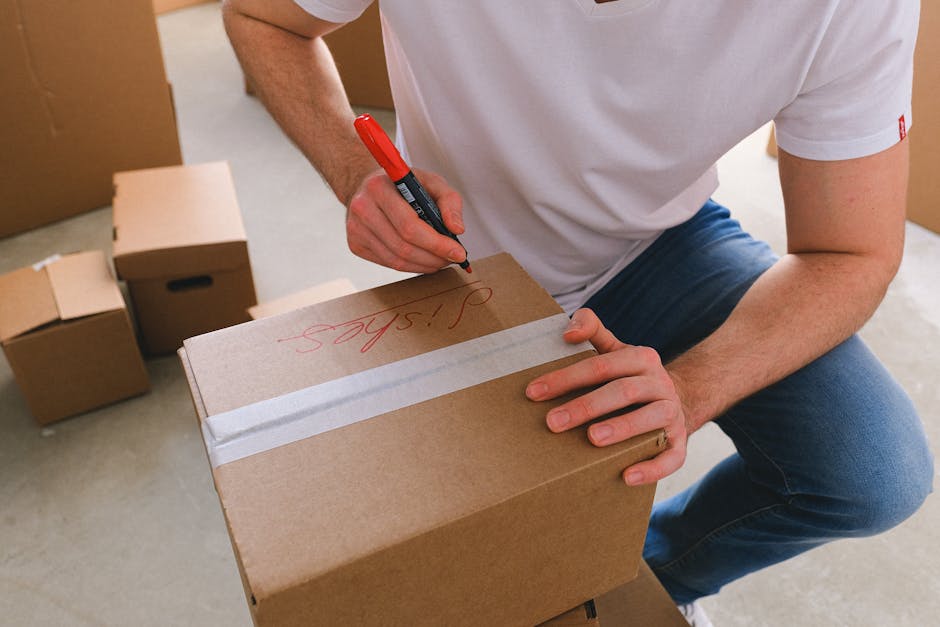
- Label clearly on multiple sides. Note the room, a short contents list, and whether the box is fragile or heavy. If a box contains kitchen glassware, say so plainly.
- Pack an essentials kit. Keep toiletries, kettle supplies, chargers, a change of clothes, medication, and important documents within easy reach.
- Prepare furniture separately. Remove loose shelves, detach legs where possible, and bag screws in labelled pouches taped to the furniture itself.
- Take photos of cable setups. This saves time when reconnecting TVs, desks, or small appliances later. One quick photo can spare you a very annoying 20 minutes.
- Do a final sweep the night before. Check cupboards, lofts, under beds, and behind doors. The last forgotten item is usually the one you really need.
If you are moving a whole household, the process tends to run more smoothly when you pair your preparation with experienced help from house removals or house movers. The better your boxes are prepared, the easier their job becomes, and the more efficiently the van can be loaded.
Expert Tips for Better Results
Here are the practical details that often make the biggest difference, especially if you want the move to feel efficient rather than frantic.
1. Pack by priority, not just by room
It helps to think in layers. Pack the items you will not need for a month first, then the things you may need before the move, then the daily essentials last. This reduces the chance of opening boxes in the new place just to find a saucepan or your child's homework folder.
2. Keep weight under control
People often overfill boxes because there is still a bit of room left. Bad idea. A box that is too heavy may tear, split, or become awkward to lift safely. A half-full box with the right fillers is much better than a box that needs two people and a prayer.
3. Use soft items as padding
Towels, tea towels, socks, and bedding can all be useful as protective padding around non-delicate items. This is especially handy for kitchen packing, where you can save on paper while still filling gaps.
4. Create a "first night" box
Pack the items you will want within the first few hours in the new property: toilet roll, toiletries, chargers, basic utensils, mug, tea bags, snacks, a torch, and a couple of plates. It sounds minor. It really is not. The first night can be long enough without having to live out of random cartons.
5. Give special attention to electronics
Keep cables together, use original boxes if you still have them, and photograph how everything connects before dismantling. If you are moving home offices or gaming setups, this is one of those tiny bits of effort that pays back immediately.
If you want a more hands-off approach for fragile or time-sensitive items, professional packing support can be the sensible middle route. It is not overkill. It is just practical, especially if your schedule is already packed.
Common Mistakes to Avoid
Most moving problems do not come from one huge mistake. They come from a dozen small ones. Here are the most common ones to avoid.
- Packing too late: rushing leads to poor labelling, broken items, and forgotten essentials.
- Using mismatched box sizes: oversized boxes filled with heavy items are a classic moving-day headache.
- Skipping labels: if every box looks the same, unpacking becomes a guessing game.
- Leaving loose items in drawers: drawers shift during transport, and the contents can spill.
- Mixing fragile and heavy items: this is how glasses and plates end up doing their own unexpected "exit".
- Not planning parking or access: in Alperton and nearby Brent locations, access can be tighter than expected.
- Ignoring what can be recycled or disposed of: clutter gets transported unnecessarily and eats up valuable space.
One small but common issue is the "I'll remember what is in that box" assumption. You will not. Nobody does, especially after moving. Write it down properly now and thank yourself later.
If you are moving bulky items or clearing out storage, a service like furniture pick up can help you separate what is being moved from what is simply being removed. That alone can save time and reduce confusion on moving day.
Tools, Resources and Recommendations
You do not need a mountain of gear, but a few sensible tools make packing cleaner and less stressful.
- Strong double-walled boxes: especially useful for books, crockery, and heavier items.
- Packing paper or clean wrapping material: for glasses, frames, and breakables.
- Bubble wrap or soft padding: useful for delicate objects and electronics.
- Marker pens: choose bold ink that is easy to read from a distance.
- Parcel tape: strong tape keeps box bases secure.
- Zip bags: ideal for screws, plugs, and small fittings.
- Labels or sticky notes: helpful for room names, priority levels, and fragile warnings.
- Blankets or dust covers: useful for furniture, mirrors, and protected stacking.
It also helps to keep a moving folder with copies of key documents, notes, and contact details. That might include tenancy paperwork, completion information, building access notes, or service arrangements. If you are still comparing providers, removal company pages and general removal services information can help you judge what level of support fits your move. If you are looking for a more flexible local option, removals near me can be a sensible starting point when planning.
Law, Compliance, Standards, or Best Practice
For a domestic move, the main compliance concerns are usually practical rather than legal, but they still matter. Good movers follow sensible health and safety practices, take care when handling heavy or awkward items, and keep routes clear to reduce the risk of trips, slips, and damage. That is just good working practice, whether the job is a small flat move or a larger property relocation.
If you are arranging a move through a professional team, it is reasonable to ask how they approach safety, handling, and insurance. Reputable operators should be able to explain their approach clearly. You can often get a feel for that by reviewing pages such as health and safety policy and insurance and safety. That is not about being difficult; it is about making sure everyone knows where they stand before the first box is lifted.
There is also a quiet best-practice angle around sustainability. Packing with reusable materials where sensible, reusing sturdy boxes, and recycling what you no longer need can reduce waste. If that matters to you, the company's recycling and sustainability approach is worth checking. And if payment security is on your mind, which is fair enough, it helps to understand how the provider handles transactions through payment and security.
For larger workplace moves, especially those involving IT equipment or multiple staff areas, it is smart to keep a clear inventory and a room-by-room handover plan. That is not just organised; it is best practice. Simple, but effective.
Options, Methods, or Comparison Table
Different packing methods suit different moves. The right choice depends on your time, budget, and how much of the job you want to do yourself.
| Method | Best for | Pros | Trade-offs |
|---|---|---|---|
| Self-packing only | Budget-conscious moves with plenty of time | Lowest direct cost, full control over how items are organised | Takes longer and can be tiring if you have lots of fragile belongings |
| Mixed packing | Most household moves | Good balance of control and convenience | Requires planning so you know what you are handling and what is being supported professionally |
| Professional packing support | Busy households, delicate items, tight deadlines | Faster, more consistent, useful for awkward or fragile pieces | Usually costs more, though it can save stress and time |
For some people, a flexible vehicle service is all they need; for others, the main challenge is not transport but preparation. That is where man with van removal can suit smaller, simpler jobs, while larger or more layered moves may be better handled with a broader removal services setup. The right answer depends on how much you are moving, how quickly, and how much lifting you want to avoid.
Case Study or Real-World Example
Here is a realistic example based on the kind of move people often make in Alperton. A couple moving from a one-bedroom flat had a tight Saturday slot, limited lift access, and a lot more kitchenware than they first admitted to owning. The first plan was to start packing the night before. Classic mistake. They changed course after a quick rethink and began four days earlier instead.
They packed non-essential items first, used smaller boxes for books, and grouped the kitchen into three categories: everyday, fragile, and storage. Each box was labelled on two sides. A separate essentials bag held chargers, medication, tea, towels, and a set of bedding. They also taped screws and fittings to the back of dismantled furniture bags so nothing vanished into the abyss of "important small bits".
On moving day, the team could load the van without asking what each box contained. That sounds minor, but it changes the tempo. No hovering. No rechecking. No boxes being reopened in the hallway. The move felt calmer, and by early evening the essentials were already in the right rooms. Not perfect, because moving rarely is, but solid. And solid is exactly what you want.
That same approach works for larger properties too, especially when coordinated with experienced movers or a tailored booking through man and van removals. The goal is always the same: make the day flow, not fight you.
Practical Checklist
Use this checklist a few days before the move and again the night before. Simple, but very effective.
- Decluttered and separated keep, donate, recycle, and discard items
- Boxes sorted by room and priority
- Fragile items individually wrapped and padded
- Heavy items packed into small boxes
- Labels added on multiple sides
- Essential documents kept together
- First-night bag packed
- Furniture fittings sealed in labelled bags
- Electronics cables photographed and grouped
- Access and parking details checked in advance
- Old or unwanted items removed before moving day
- Final cupboard, loft, under-bed, and storage check completed
Small but useful reminder: if a box feels "probably fine", it is often worth one more minute of packing. That minute can save a breakage. Or a headache. Or both.
Get a free quote today and see how much you can save.
Conclusion
The best insider packing tips for Brent removals Alperton are not complicated, but they do require discipline. Sort before you pack. Label clearly. Protect fragile items. Keep essentials separate. And do not leave everything until the last night if you can possibly avoid it. You will feel the difference immediately, especially when the van arrives and everything is ready to go.
If you take one thing from this guide, let it be this: packing well is not extra work, it is front-loading the calm. A move will always involve some noise, some lifting, and probably one slightly chaotic moment. That is normal. But with the right preparation, the chaos stays small, and the move stays manageable. And honestly, that is a win worth having.
When you are ready to plan the next step, use the same steady approach you have used for packing: choose the right help, check the details, and keep things simple where you can. The rest tends to follow.
Frequently Asked Questions
What are the best insider packing tips for Brent removals Alperton?
The most useful tips are to declutter first, pack by room and priority, use smaller boxes for heavy items, protect fragile belongings properly, and label everything clearly on multiple sides.
How far in advance should I start packing before a move?
Ideally, start with non-essential items several days or even a couple of weeks before moving day. Leave everyday items and essentials until the final 24 to 48 hours.
Should I pack books in large boxes?
No, not usually. Books get heavy very quickly, so smaller boxes are safer and easier to carry. Large boxes can become too awkward and may split under the weight.
What should go in a first-night box?
Include toiletries, toilet roll, chargers, medication, snacks, basic cutlery, a mug, bedding, a change of clothes, and anything else you will need immediately when you arrive.
Are professional packing and unpacking services worth it?
They can be, especially if you are short on time, have fragile items, or want to reduce stress. Many people use them selectively rather than for every single item.
How do I pack fragile items safely?
Wrap each item individually, use padding to stop movement inside the box, and avoid mixing fragile pieces with heavier objects. Fill gaps so nothing can shift in transit.
What labels should I put on moving boxes?
At minimum, include the room name and a short contents note. It also helps to mark boxes as fragile, heavy, or first priority where relevant.
How can I make moving day faster?
Pack early, keep walkways clear, have boxes labelled properly, and keep important items and documents in one easy-to-reach place. Good packing saves time at both ends of the move.
What is the biggest packing mistake people make?
Rushing. People often leave packing until the last minute, which leads to weak boxes, poor organisation, and forgotten essentials. It is the most common problem by far.
Is it better to use a removal company or a man with a van?
It depends on the size and complexity of your move. Smaller, simpler jobs may suit a more flexible setup, while larger or more detailed moves often benefit from a broader removals service.
Do I need to empty drawers before moving furniture?
Yes, in most cases. Emptying drawers reduces weight, prevents items from shifting, and lowers the chance of damage to the furniture or its contents.
What if I have too much stuff to pack properly?
That is a sign to declutter before you start. Donate, recycle, sell, or dispose of anything you no longer need. Moving is expensive enough without paying to transport clutter you do not want.